
Welcome to AccessMaids, your premier home cleaning service.
With years of expertise, we ensure every corner of your home sparkles.
Choose our eco-friendly products, safe for both family and environment. We prioritize your peace of mind and eco-sustainability.
We stand by our service quality and value your satisfaction. If there's any concern, we're here to address it. Book online instantly and focus on life's essentials.
OUR DIFFERENCE
Unique Services
Carpet shampooing, vapor cleaning, laundry services, inside cabinets, appliances, fans, blinds, balcony cleaning, antimicrobial treatment & more
Experience
Our staff members have received professional training and undergone a prescreening process, ensuring that those with more than five years of experience are part of our team.
Guaranteed Arrival
You can be confident that your appointment will not be cancelled as we offer a guarantee for all scheduled appointments.
Cleaning Reminders
Our appointment reminders are sent through both email and text messages.
No Parking Needed
We offer company vehicles with trained drivers who are dedicated to transporting our maids to and from your location and managing equipment during the cleaning process.
Pricing Options
We offer a flat-fee service for apartments up to 1,300 square feet. For larger homes, we provide a pay-by-the-hour service.
Your Terms
No contracts to sign- cancel anytime
Trust
Over 60,000 homes cleaned since 2006.
BBB A rating
Online Account Management
Book, reschedule, edit or skip appointments online, set your cleaning preferences, add notes
Feedback
Share your feedback and rate the performance of your maid online, and we will automatically take note of it to enhance our future services.
Premium Green Supplies
Select conventional or eco-friendly cleaning products offered by Shaklee Corp.
Reduced Cleaning Time
Multiple maids will clean your home in order to avoid inconveniencing you during the cleaning process.
Exceptional Quality
We ensure both high quality and consistency, and in case we overlook any areas, we offer complimentary re-cleaning.
Free Options
Complimentary cleaning supplies, equipment, room freshener, and carpet deodorizer with a value of $20.
What We Clean

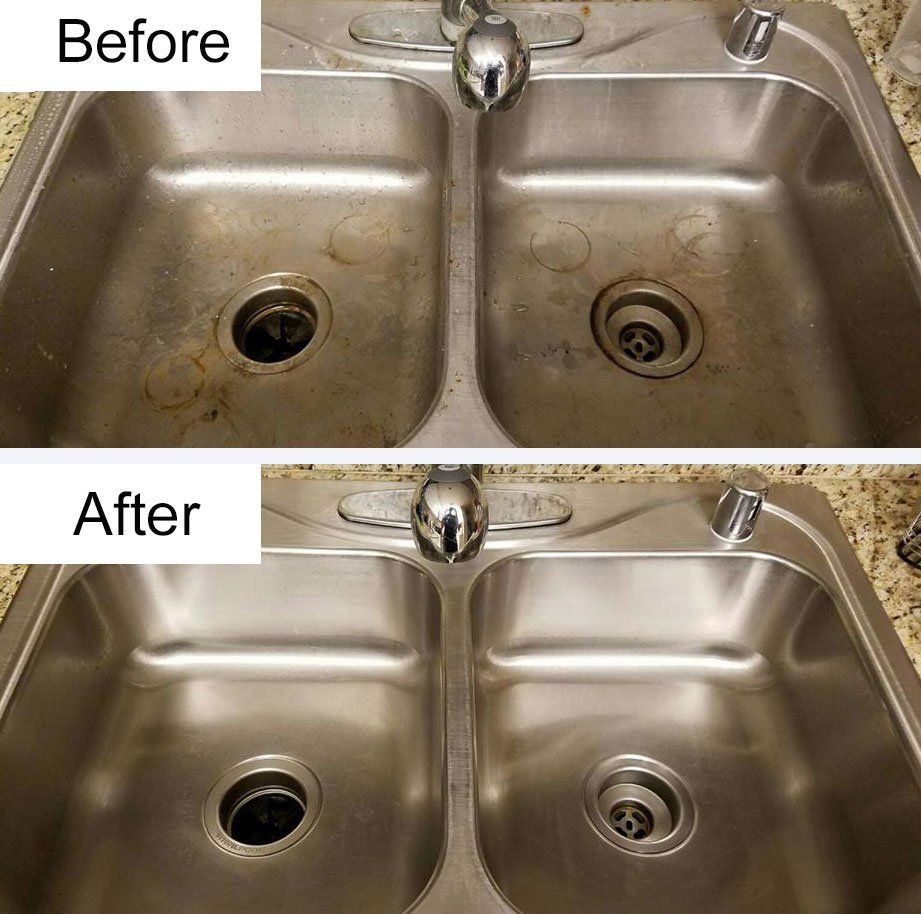
- Sinks are scrubbed and sanitized
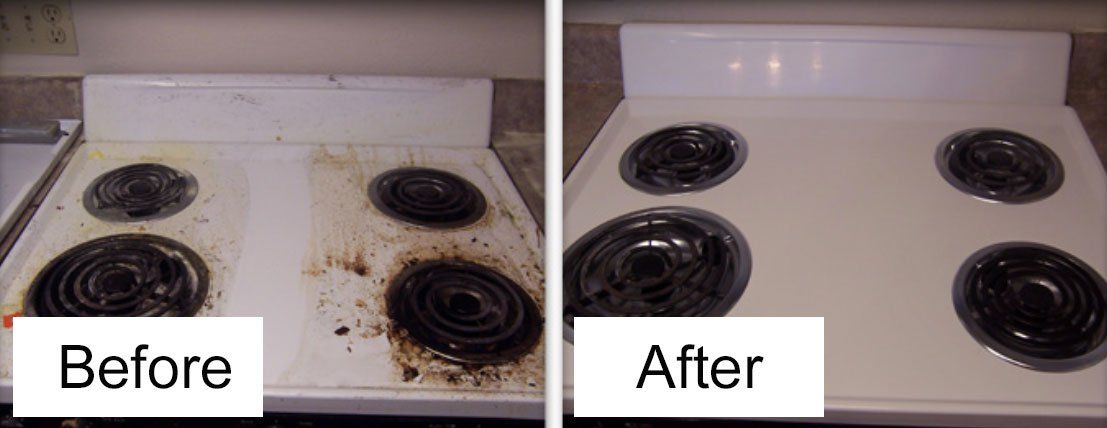
- Countertops, range tops cleaned
- Exteriors of appliances cleaned, including oven, refrigerator and dishwasher
- Microwave cleaned inside and out
- Cabinets doors wiped down
- Window sills, tables and chairs cleaned
- Trash emptied
- Floor vacuumed/ washed

Vanities, sinks, showers, bathtubs, chrome fixtures cleaned, scrubbed and sanitized
Toilets disinfected inside and out, including base and behind
Mirrors cleaned
Window sills cleaned
Towels changed (if left out)
Trash emptied
Floor vacuumed/ hand washed and disinfected

Beds made properly, linens changed (if left out)
All areas dusted
Mirrors cleaned
Trash emptied
Light straightening
Window sills cleaned
Floor vacuumed/ washed

All areas dusted
Glass tables cleaned
Sofa, chairs vacuumed
Light general straightening completed
Window sills cleaned
Cushions and pillows fluffed and straightened
Floor vacuumed/ washed

- All areas dusted
- Desk cleaned
- Sofa, chairs vacuumed
- Light general straightening completed
- Window sills cleaned
- Floor vacuumed/ washed

- All areas dusted
- Table cleaned
- Sofa, chairs vacuumed
- Light general straightening completed
- Window sills cleaned
- Floor vacuumed/ washed

- All areas dusted
- Glass tables cleaned
- Light general straightening completed
- Floor vacuumed/ washed
CUSTOMIZATIONS
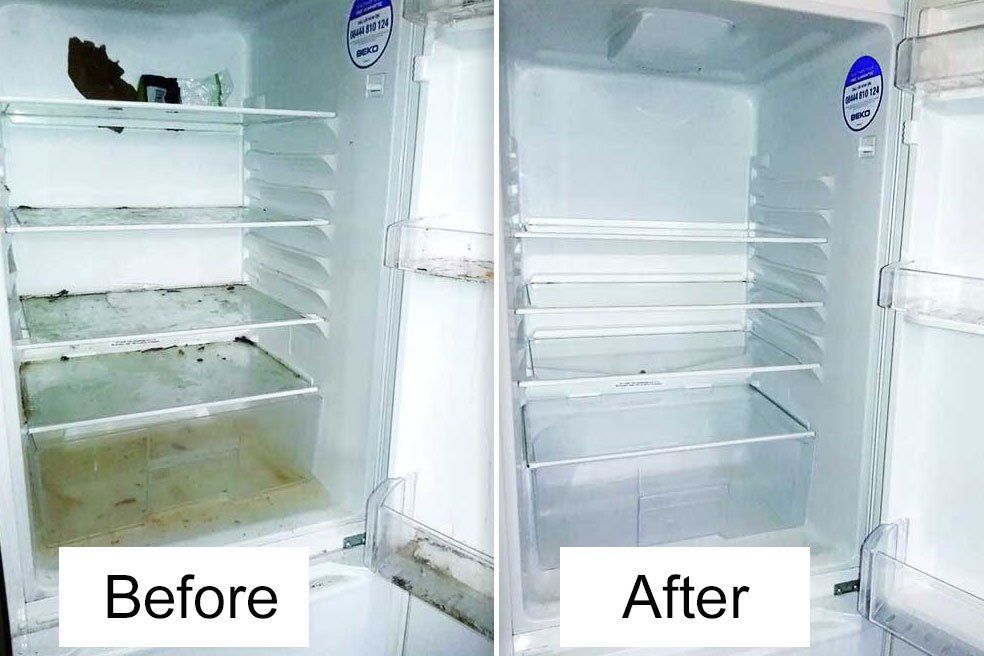
Refrigerator Interior
Removing all of the contents, cleaning the interior, and putting everything back in place
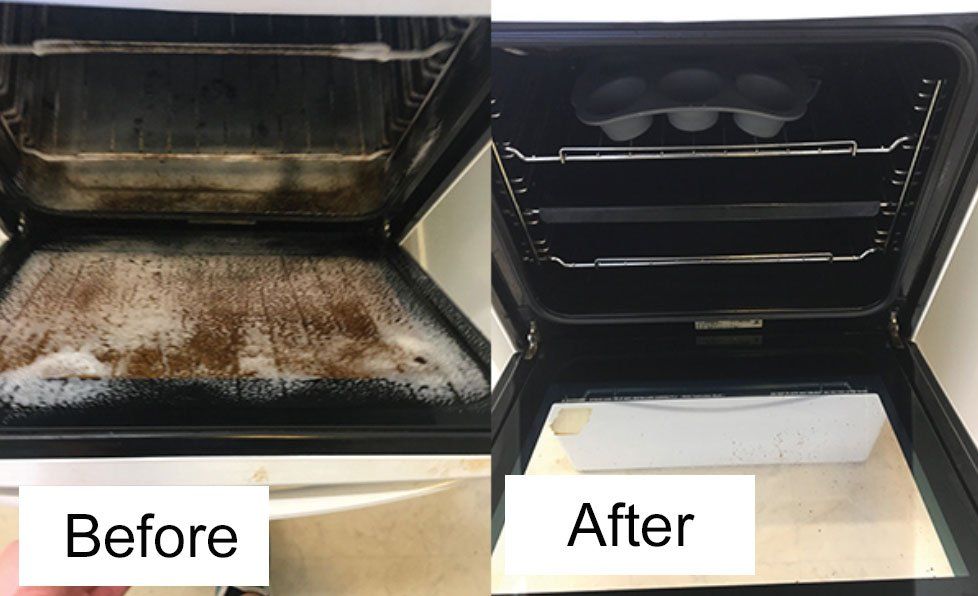
Oven Interior
Removing any debris, grease, or burnt food residues from the interior surfaces of the oven
Windows Interior
Washing the windows from inside and wiping the window sills
Blinds Dusting
Keeping the blinds clean and dust-free
Baseboards
Wiping/ dusting the baseboards (floorboards)
Ceiling Fans
Dusting the ceiling fans in every room
Cabinets Interior
Cleaning inside empty kitchen and bathroom cabinets and drawers
Dishes
Hand washing whole sink of dishes
Laundry
Washing, drying, and folding of laundry
Balcony or Patio Cleaning
Cleaning the balcony's furniture, floors, windows (if weather permits)
Cobwebs
Clearing the spiderwebs in every part of the house
Door Frames & Light Switches
Wiping down the doors, trims, light switches
Pet Hair Clean up
Cleaning the animal fur from your floors and furniture.
Carpets Shampooing
Pre-vacuum, spot clean and deep clean the carpets with hot water and shampoo mix.
Carpets Deodorizing
Applying powdered deodorizer to carpeted rooms. Lasting fragrance stays behind!
Rooms Freshener
Spraying aroma fragrance throughout your home. Eliminate deep-down odors caused by pets, smoke, dampness, mildew and freshen your home with the pleasant smell.
Flat-Fee Services
Apartments up to 1,300 Square feet
Apartments up to 1,300 Square feet
1 Bedroom/1 Bathroom apartment
$135
43 Basic tasks Included
Free supplies
Automatic recurring discounts
2 Maids / 1 Hour 30 Minutes
No hidden fees
2 Bedrooms/
1 Bathroom apartment
$157
43 Basic tasks Included
Free supplies
Automatic recurring discounts
2 Maids / 1 Hour 45 Minutes
No hidden fees
1 Bedroom/2 Bathrooms apartment
$157
43 Basic tasks Included
Free supplies
Automatic recurring discounts
2 Maids / 1 Hour 45 Minutes
No hidden fees
Pay by the Hour Services
Homes over 1,300 Square Feet
Homes over 1,300 Square Feet
Basic Cleaning
$45 /maid-hour
43 Basic tasks Included
7 Extras Available
Free supplies
Automatic frequency discounts
2 Maids / 2 Hours Minimum
No hidden fees
Deep Cleaning
$48 /maid-hour
43 Basic tasks Included
19 Extras Available
Free supplies
Automatic frequency discounts
2 Maids / 2 Hours Minimum
No hidden fees
Move-in/ Move-out Cleaning
$53 /maid-hour
43 Basic tasks Included
17 Extras Available
Inside Cabinets Cleaning Available
Free supplies
2 Maids / 2 hours 30 minutes minimum
No hidden fees
Office/ Commercial Cleaning
$47 /maid-hour
43 Basic tasks Included
16 Extras Available
Free supplies
Automatic frequency discounts
2 Maids / 2 Hours Minimum
No hidden fees
After Remodeling Cleaning
$60 /maid-hour
43 Basic tasks Included
15 Extras Available
Free supplies
2 Maids / 8 Hours Minimum
No hidden fees
Carpet Shampooing
$49 /room
Select Standalone Service and Add as an Extra Task
1 Room Minimum as Add-on
FREQUENCY DISCOUNTS

Our Team
Our company is proud to employ more than 80% immigrants from Ukraine, and we are committed to helping them in every way we can.
We understand that relocating to a new country can be challenging, and we want to make sure that our employees feel welcome and supported.

Authentic Feedback from Genuine Customers
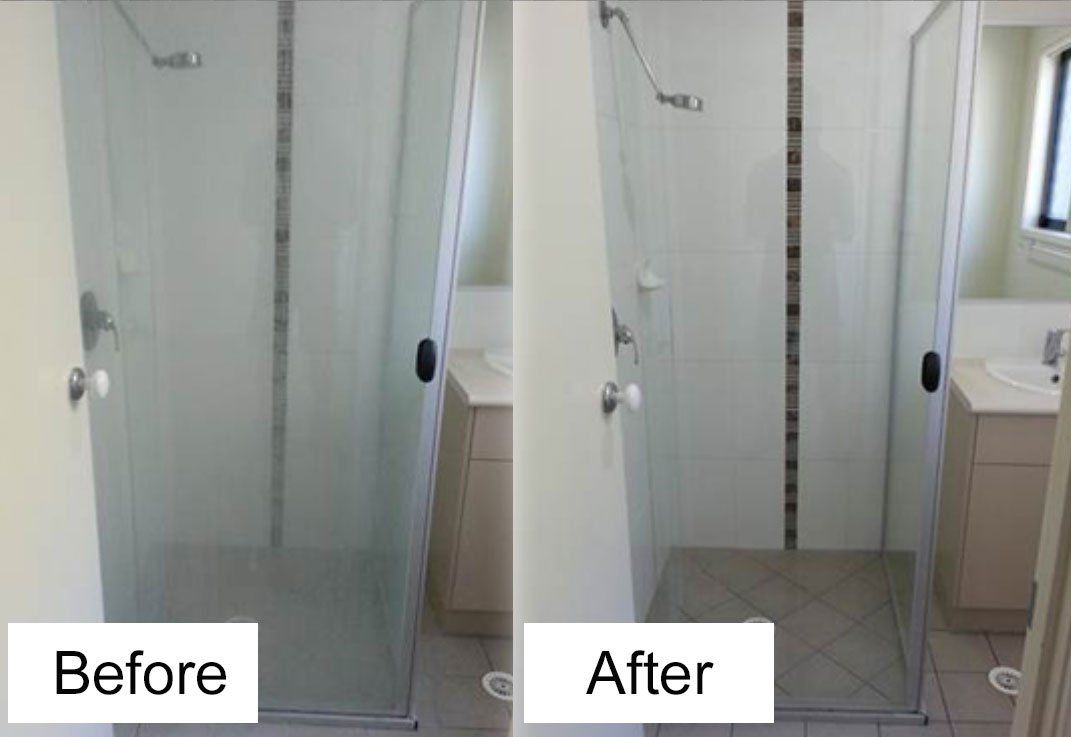
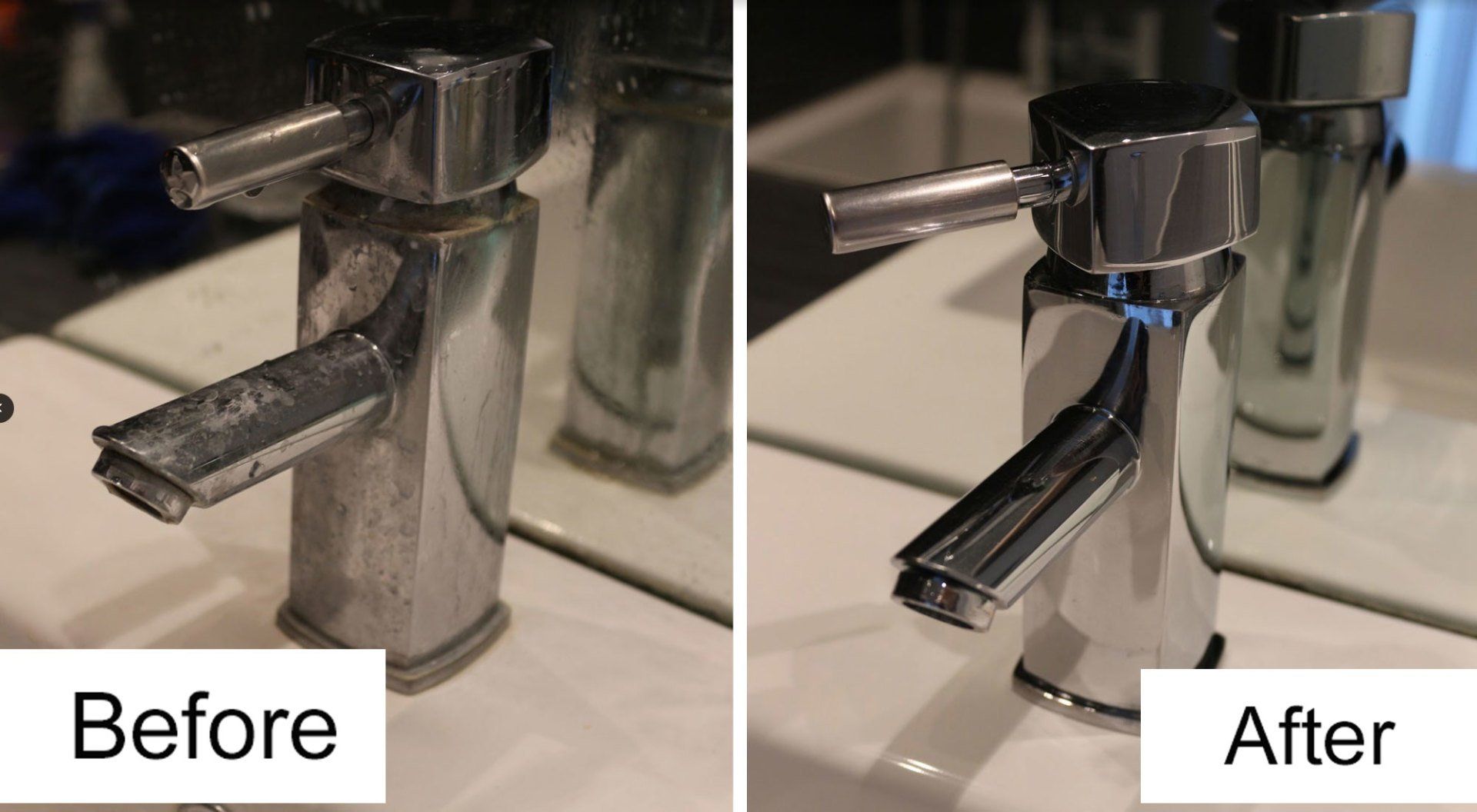
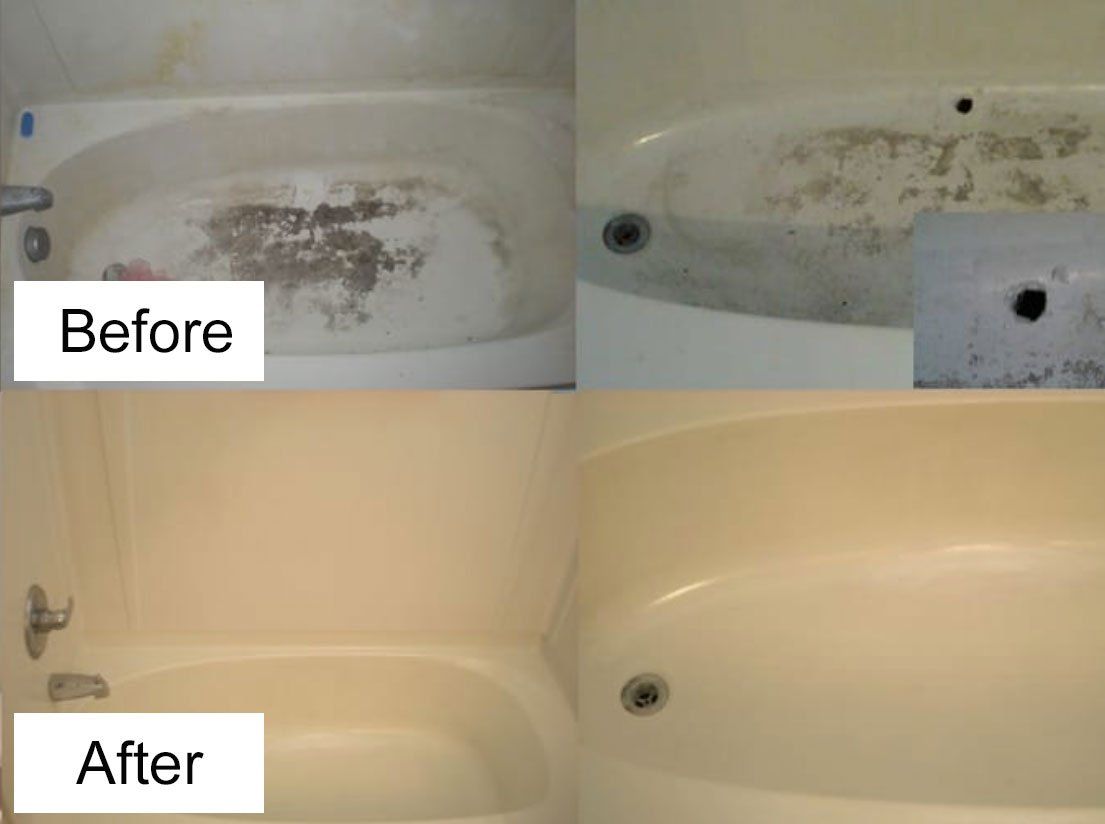
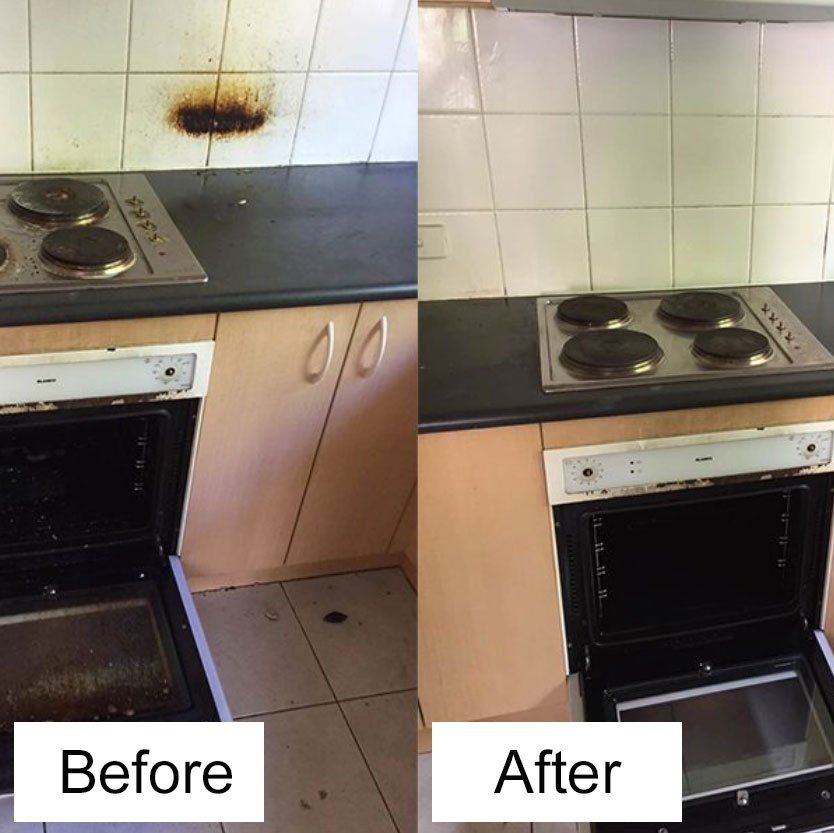
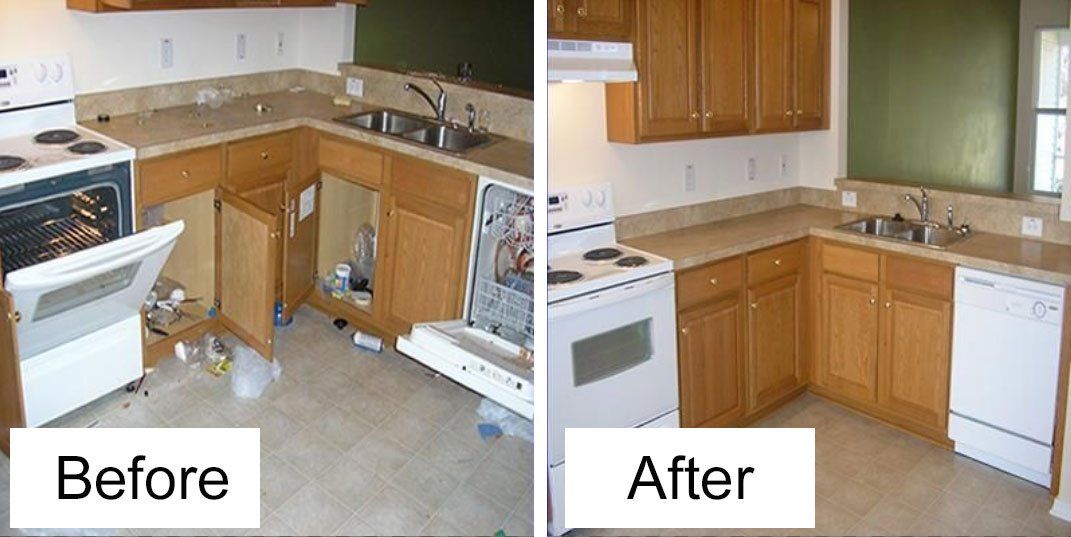
SEE THE DIFFERENCE




Service Area
| Zip Code | Chicago Neighborhood | Zip Code | Chicago Neighborhood |
|---|---|---|---|
| 60601 | The Loop | 60622 | Ukrainian Village, Wicker Park |
| 60602 | The Loop | 60625 | Ravenswood, Albany Park |
| 60603 | The Loop | 60625 | Lincoln Sqaure, Ravenswood, Albany Park |
| 60604 | The Loop | 60626 | Rogers Park |
| 60605 | South Loop | 60630 | Jefferson Park, Forest Glen, Sauganash |
| 60606 | The Loop, Near West Side | 60640 | Uptown, Andersonville, Edgewater |
| 60607 | The Loop, Near West Side | 60641 | Old Irving Park, Belmont Gardens |
| 60608 | South Loop | 60642 | West Town |
| 60610 | The Loop, Gold Coast, Old Town | 60645 | West Rogers Park |
| 60611 | The Loop, Gold Coast, Streeterville, Magnificent Mile | 60647 | Bucktown |
| 60612 | Near West Side, Tri-Taylor, West Town | 60653 | Bronzeville |
| 60613 | Wrigleyville, Ravenswood, Lakeview | 60654 | River North |
| 60614 | Lincoln Park | 60657 | Lakeview |
| 60615 | Kenwood | 60659 | West Rogers Park, Peterson Park |
| 60616 | South Loop | 60660 | Edgewater |
| 60618 | Roscoe Village, Avondale | 60661 | Near West Side |
Listen to our Radio Ad
About Us
Our love for cleaning comes shining through!
With a track record of excellence since 2004, Accessmaids team of professional cleaners, each with a minimum of 5 years of experience, will ensure that your home is thoroughly cleaned to your satisfaction. We take pride in our consistent delivery of excellent service.
With our professional home cleaning, we will make sure that the air our customers breathe cleaner air with regards to health and well-being. AccessMaids personnel use unique method and state-of-the-art equipment, including commercial Oreck vacuum cleaner that could capture up to 99 percent of all dust, allergens, bacteria, pet dander, pollen with other pollutants.
We developed a systematic cleaning system which often divides the tasks. By giving each member of our team a specific request we ensure that the job is done thoroughly and totally. Whether it is scrubbing your bathrooms floor, cleaning the interior of your microwave, or vacuuming under your bed.
One unique aspect of our maid service is our full order customization. This means that we log and follow through with all your requests, providing you with a cleaning experience that you can rely on. Furthermore, our 24/7 online reservation system offers real-time availability, making it easier for you to schedule your cleaning appointments.
We understand that unexpected situations may arise, so we offer an emergency staff and a private fleet of vehicles to ensure that we never have to cancel appointments.
At AccessMaids, we prioritize our customers' well-being by providing them with healthier, cleaner, and sanitized homes through the use of eco-friendly cleaning products. We accommodate your preferences in cleaning products, so your home can be as environmentally friendly as you desire.
As a BBB-accredited member with an A rating, we only hire pre-screened, insured, and professionally trained staff to ensure the highest quality of service.
Don't waste any more time worrying about cleaning. Check out AccessMaids today and let us take care of the cleaning, so you can focus on the things that truly matter in life.